Fletch and Dialogue
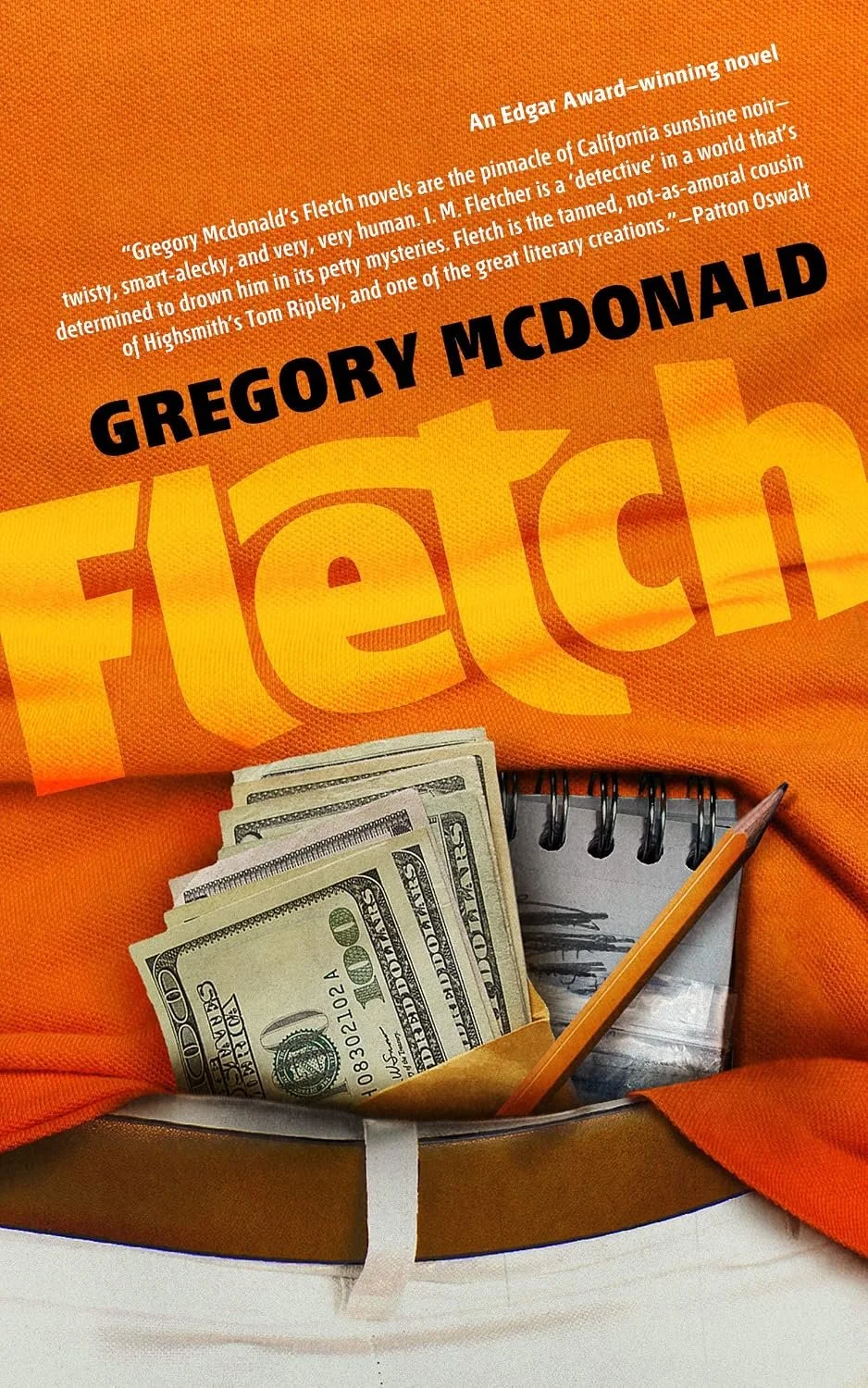
This past week, I started Fletch by Gregory McDonald.
It was originally published in 1974 and won the Edgar Award for Best First Novel. In 1985, it was made into a very funny movie starring Chevy Chase.
I first read the book years ago while I was in college (back in the early '90s) and remember enjoying it. I also remember the basic storyline, probably because I’ve seen the movie a dozen times. What caught my attention immediately on this reread was how the story opened. It was something I hadn’t recognized all those years ago.
The book’s first scene is entirely dialogue. There isn’t a single attribution tag. Not one “he said,” “he nodded,” or “he shrugged.” There also isn’t a single character description. The opening scene is simply a back-and-forth conversation between Irwin M. Fletcher and Allan Stanwyck.
It worked beautifully. In fact, it worked so well that I had to reread the entire section to my girlfriend, who responded with a very impressed, “Wow.”
Has that ever happened to you? You’re reading something that makes you stop and think, “Wow.”
Another book that made a big impression on me with its dialogue was The Friends of Eddie Coyle by George V. Higgins. Many authors and genre teachers point to this book as the gold standard for dialogue. If you haven’t read it, it was made into a great movie of the same name starring Robert Mitchum. Talking about it now reminds me I borrowed it from the library years ago—I should probably buy a copy to keep on my shelf.
So, Fletch got me thinking about the dialogue in my own books. I try to make the characters sound real and keep their conversations engaging. I’d like to think I do a decent job, but you’re the ultimate authority! How do my characters sound to you? Are some better or more interesting than others? I’d really appreciate your feedback.