Law and Order: The Divide Between Civil and Criminal Justice
2-minute read
If you’ve ever wondered why some courtroom stories hinge on a murder trial while others revolve around money or contracts, it comes down to the type of case and the standard of proof that applies.
In crime fiction (and real life), there are two main worlds of law: criminal and civil. They overlap at times but play by very different rules.
Criminal Cases: Beyond a Reasonable Doubt
Criminal law deals with offenses against society such as murder, theft, fraud, and assault. The government prosecutes, not private citizens, because these crimes threaten public order.
To convict someone, the prosecution must prove guilt beyond a reasonable doubt, which is the highest legal standard we have. It doesn’t mean jurors must be 100% sure, but they must be firmly convinced. If any reasonable doubt remains, the defendant walks.
That high bar exists because the stakes are so serious. A conviction can cost a person their freedom, their future, or even their life. The system errs on the side of caution: better ten guilty citizens go free than one innocent suffer.
In crime fiction, this is the tension that fuels the courtroom drama. The detective may be certain, but the evidence must stand up to that crushing level of scrutiny.
Civil Cases: Preponderance of the Evidence
Civil law handles disputes between individuals or organizations — car accidents, defamation, contracts, property claims. The government usually isn’t involved.
Here, the goal isn’t punishment but compensation. The burden of proof is much lighter: a preponderance of the evidence or “more likely than not.”
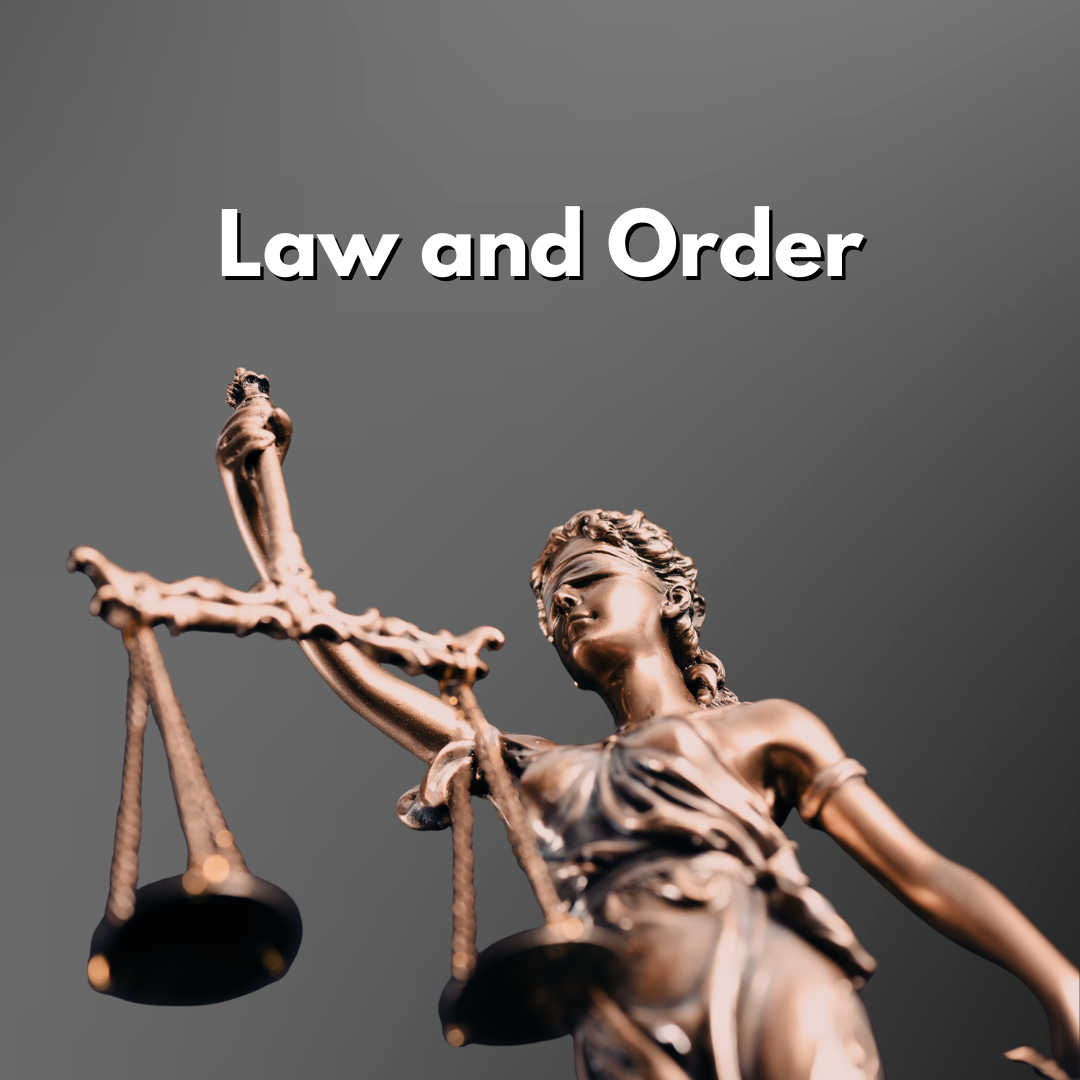
Imagine a set of scales. If the plaintiff’s evidence tips the balance even slightly, they win. That’s all it takes: 51% certainty versus 49% uncertainty.
A famous example is O.J. Simpson. He was acquitted of murder in criminal court (not guilty beyond a reasonable doubt) but later found liable for wrongful death in civil court (more likely than not). Same facts, different standards, and different outcomes.
Why It Matters in Crime Fiction
Understanding these standards makes courtroom scenes and police investigations more believable. It explains why detectives chase every lead — and why defense attorneys look for any sliver of uncertainty.
In my books, those shades of proof drive the drama. Sometimes justice is obvious. Other times, it depends on how the evidence tilts the scales.
Because in law—and in storytelling—truth isn’t enough. You have to prove it.