Noble Cause Corruption
1-minute read
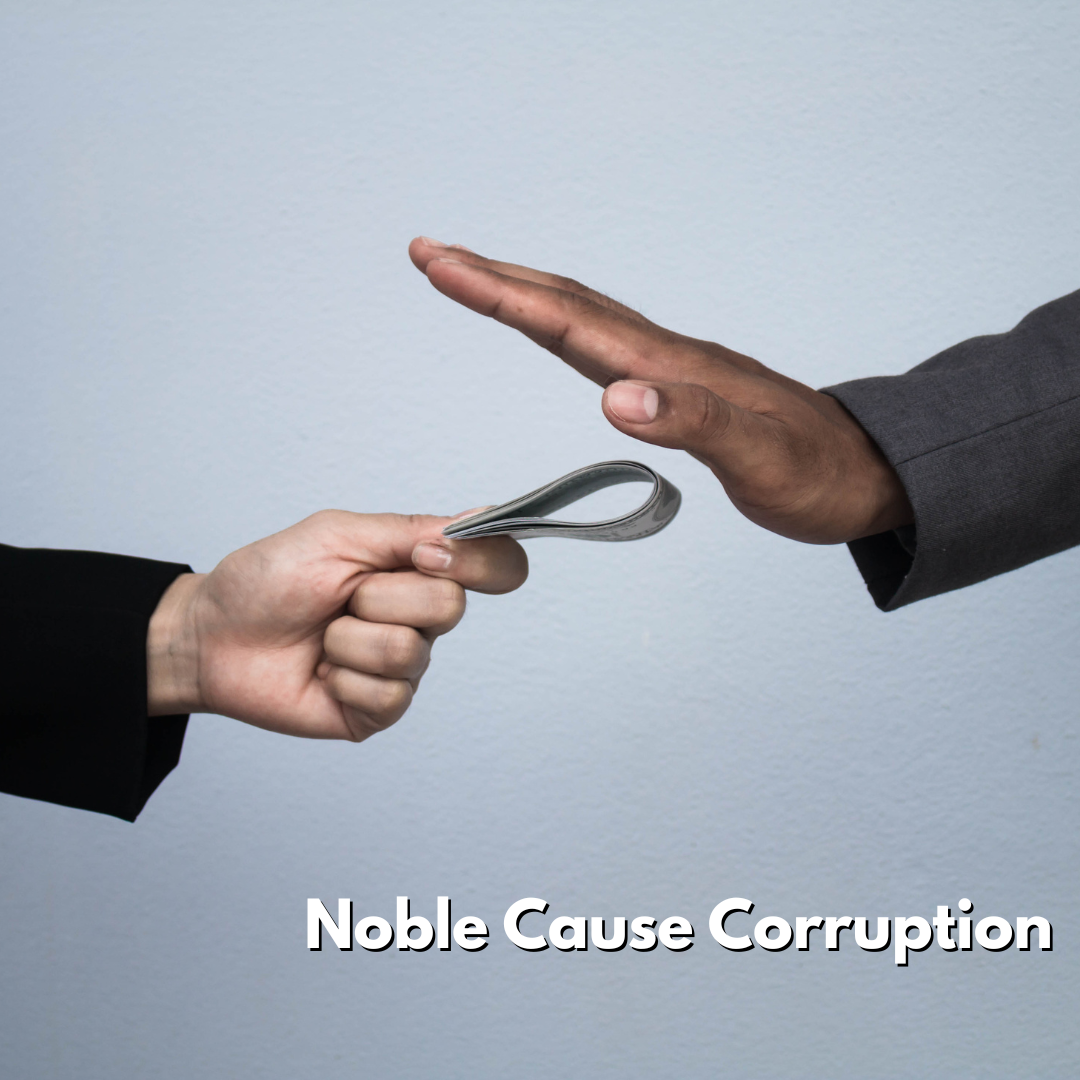
I want to take you behind the curtain of a concept that often appears in crime fiction and real-world policing alike: noble cause corruption.
In the simplest terms, it’s when law enforcement officers bend or break the rules with the belief they’re doing it for a greater good, such as catching the bad guys, protecting the community, or serving justice as they see it. It’s the idea that the ends justify the means, even if the means are ethically questionable.
Noble cause corruption is a spectrum. On one end, there are minor, almost forgivable lapses in judgment. On the other end, there are more serious ethical compromises that can erode trust and justice. It’s a slippery slope, and officers can find themselves committing crimes such as robbery, assault, and even murder.
In the 509 universe, Detective James Morgan grapples with this moral gray area. He’s faced with situations where the line between right and wrong blurs, and he must decide whether bending the rules is worth the cost.
Over in the Charlie-316 series, which I wrote alongside Frank Zafiro, we dive into noble cause corruption on a broader scale. There, it’s not just one character, but rather an institutional and cultural examination of how good intentions can lead entire departments down a risky path.
As you can see, it’s a fascinating topic, and I thought you might enjoy a peek into how these ethical quandaries shape the stories and the characters you love.