When the Writing is on the Wall
1-minute read
Most of us have driven through town and seen paint scrawled across a wall, a bridge, or the back of an abandoned building. Sometimes it’s just a few letters, other times it’s a full mural that makes you hit the brakes and stare. We lump it all together under one word: graffiti.
But not all graffiti is created equal.
In the simplest terms, tagging is a name, usually a single word or stylized signature left by an individual writer. It’s about marking territory, a way to say “I was here.” Taggers use quick lines and personal symbols to make their mark dozens, even hundreds of times across a city. To outsiders, it can look like senseless vandalism. To insiders, it’s a calling card and sometimes a challenge.
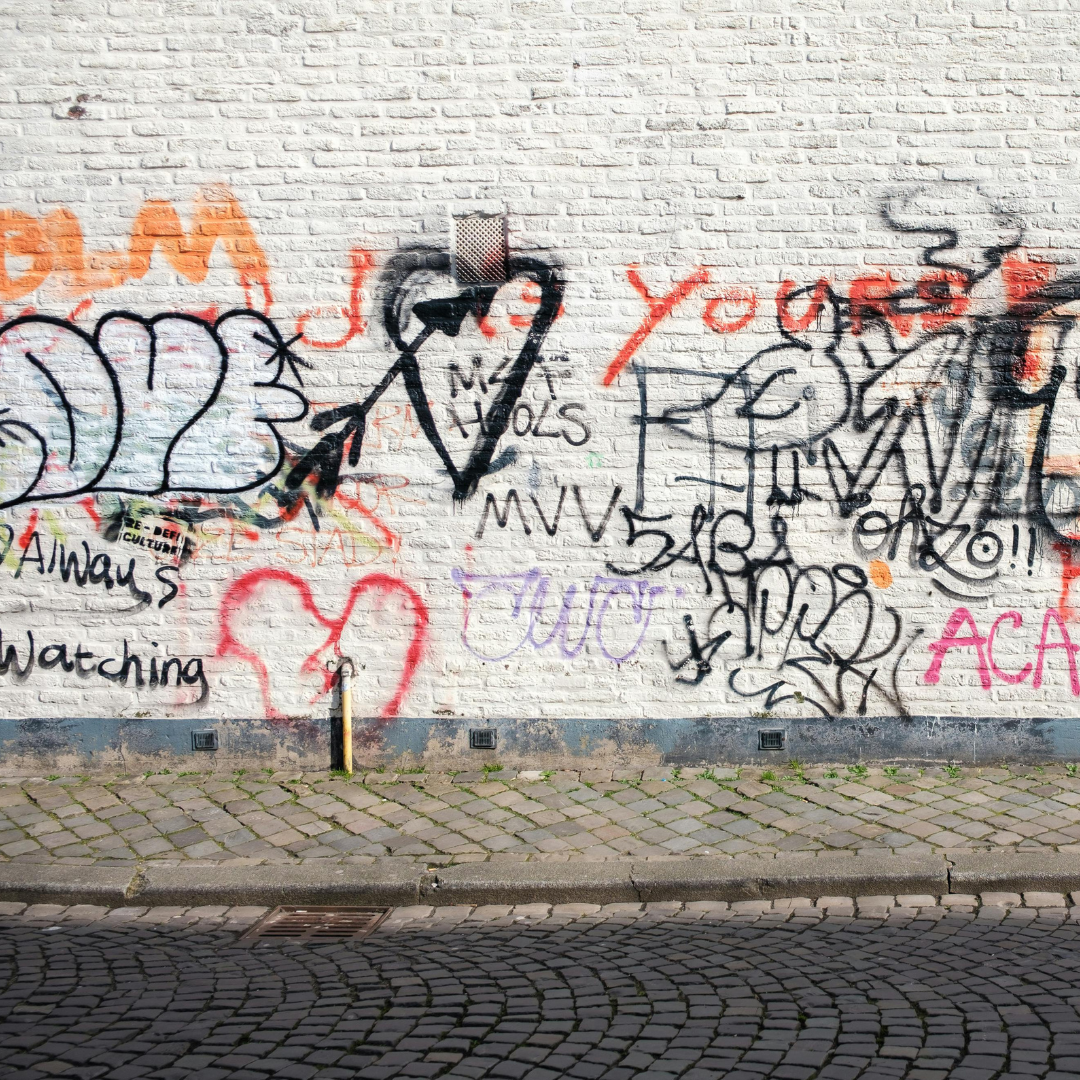
Example of tagging
Then there’s graffiti art—the larger, more elaborate work that often covers entire walls or train cars. These pieces take time, planning, and sometimes a crew. You’ll see layered colors, 3-D effects, shadows, and full-scale imagery. While it’s still illegal without permission, this type of graffiti edges closer to public art. Some artists even transition from the streets to galleries once their work catches attention.
That tension between expression and crime, art and defacement, is what inspired The Graffiti Conspiracy, the next book in my 509 Crime Stories series.
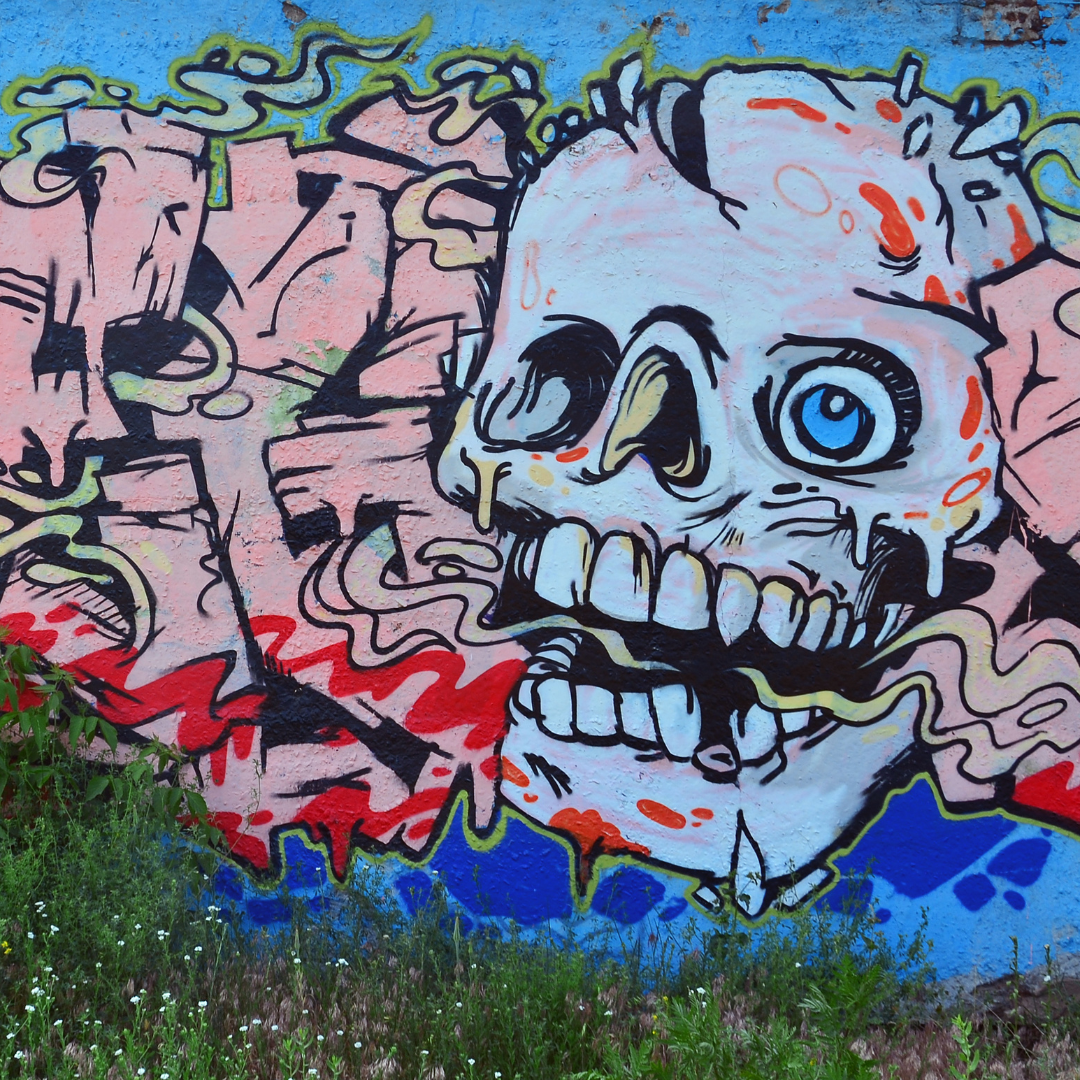
Example of graffiti art
Graffiti tells a story if a person knows how to read it (which the police specialize in). Some crews use symbols to claim blocks, while others leave coded warnings. Sometimes, a new tag can spark turf wars. And sometimes, the writing on the wall points to something darker.
So, the next time you see graffiti in your neighborhood, take a second look. Behind every tag is a person, a message, or maybe even a secret.
And in the world of the 509, secrets rarely stay hidden for long.